Start My AI Native Journey
I've been in tech for a while now — building products, writing code, leading teams. I've seen plenty of "next big things" come and go. But this time feels different. AI isn't just another tool in the toolbox. It's changing how I think, how I build, and honestly, how much I can get done in a day.
So I'm going all in. This is the start of my AI Native journey, and I want to share what I've learned so far.
What Do I Mean by "AI Native"?
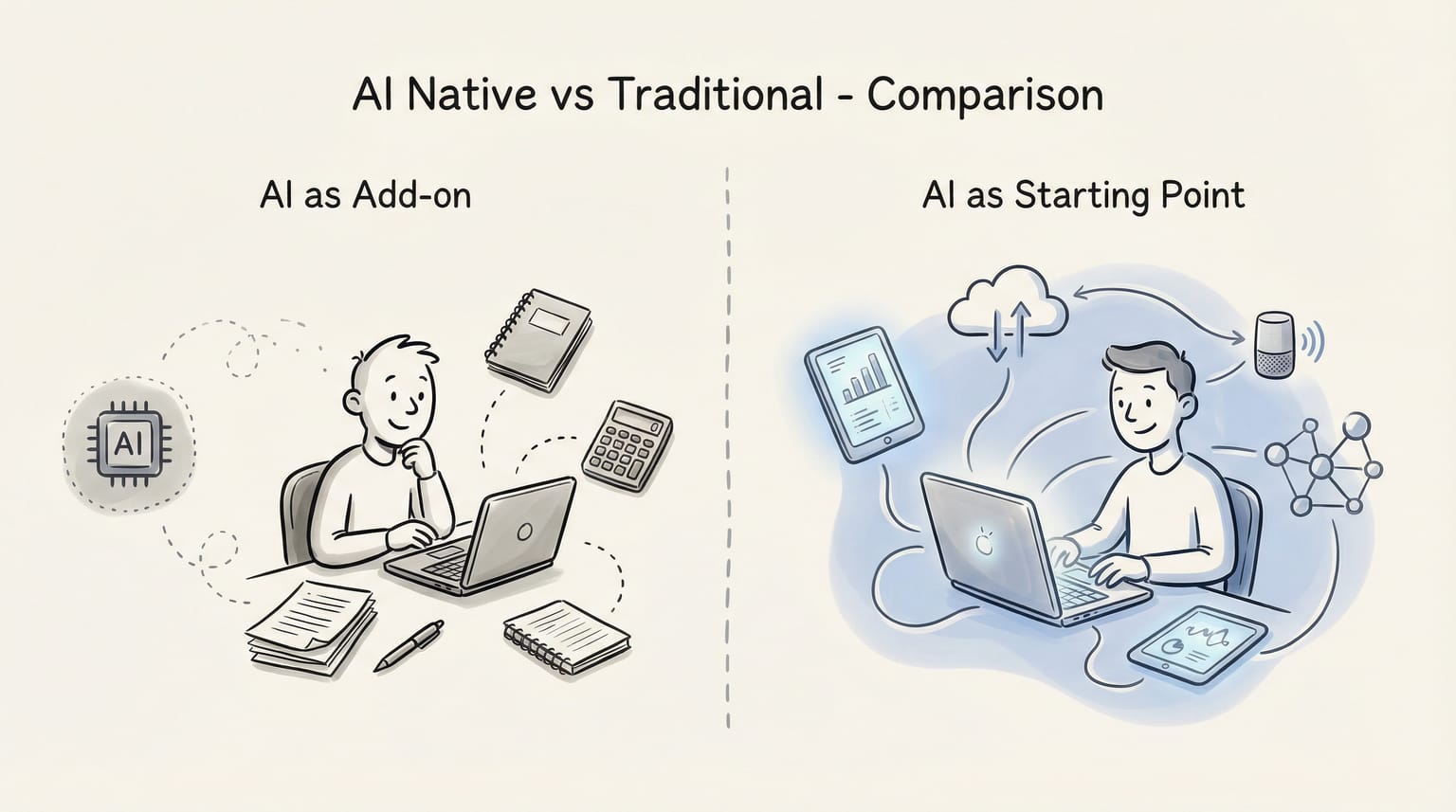
For me, AI Native means AI isn't an add-on — it's the starting point. Every time I sit down to work, AI is already part of my workflow. Writing code? AI is right there. Researching a new domain? AI helps me learn faster. Drafting a product spec? Same thing.
It's like the shift from desktop to mobile-first. Once you go native, you don't go back.
The Moment It Clicked
I'm a head of products who still codes. I love building things with my own hands — there's something deeply satisfying about shipping a feature you architected and implemented yourself.
But let's be real: time is always the bottleneck. Between product strategy, team alignment, and actually writing code, there are never enough hours. That's where AI changed the game for me.
A few months ago, I was tackling a project that would have normally taken me days of focused coding. I decided to go AI-first — not just using autocomplete, but actually collaborating with AI through the entire process. Architecture decisions, implementation, debugging, testing.
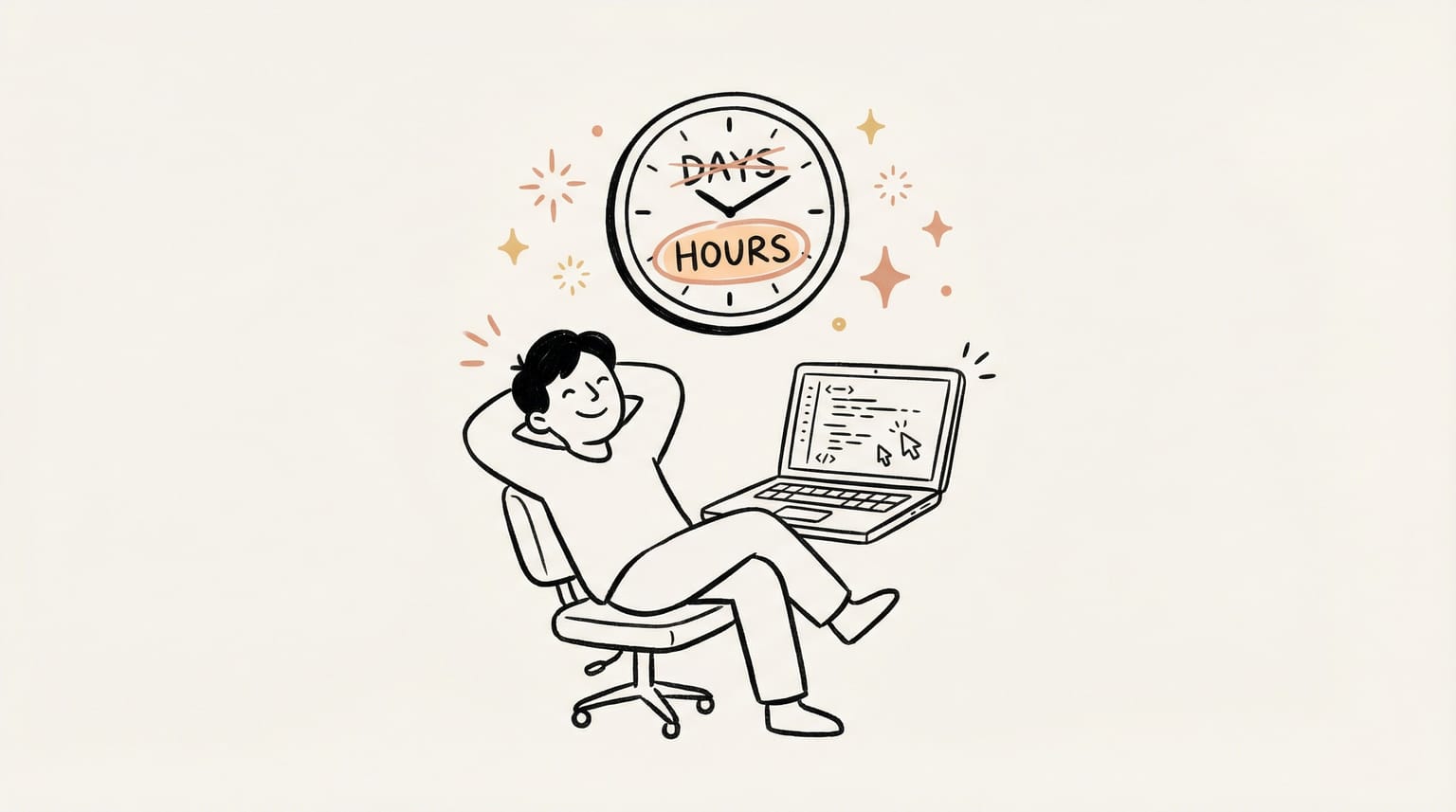
What used to take days took hours. And I'm not talking about sloppy, "good enough" output. The quality was there. The code was clean. I shipped it with confidence.
That was my moment. I realized this isn't a productivity hack — it's a fundamental shift in what one person can accomplish.
What AI Actually Changes in My Day-to-Day
Here's what going AI Native looks like in practice:
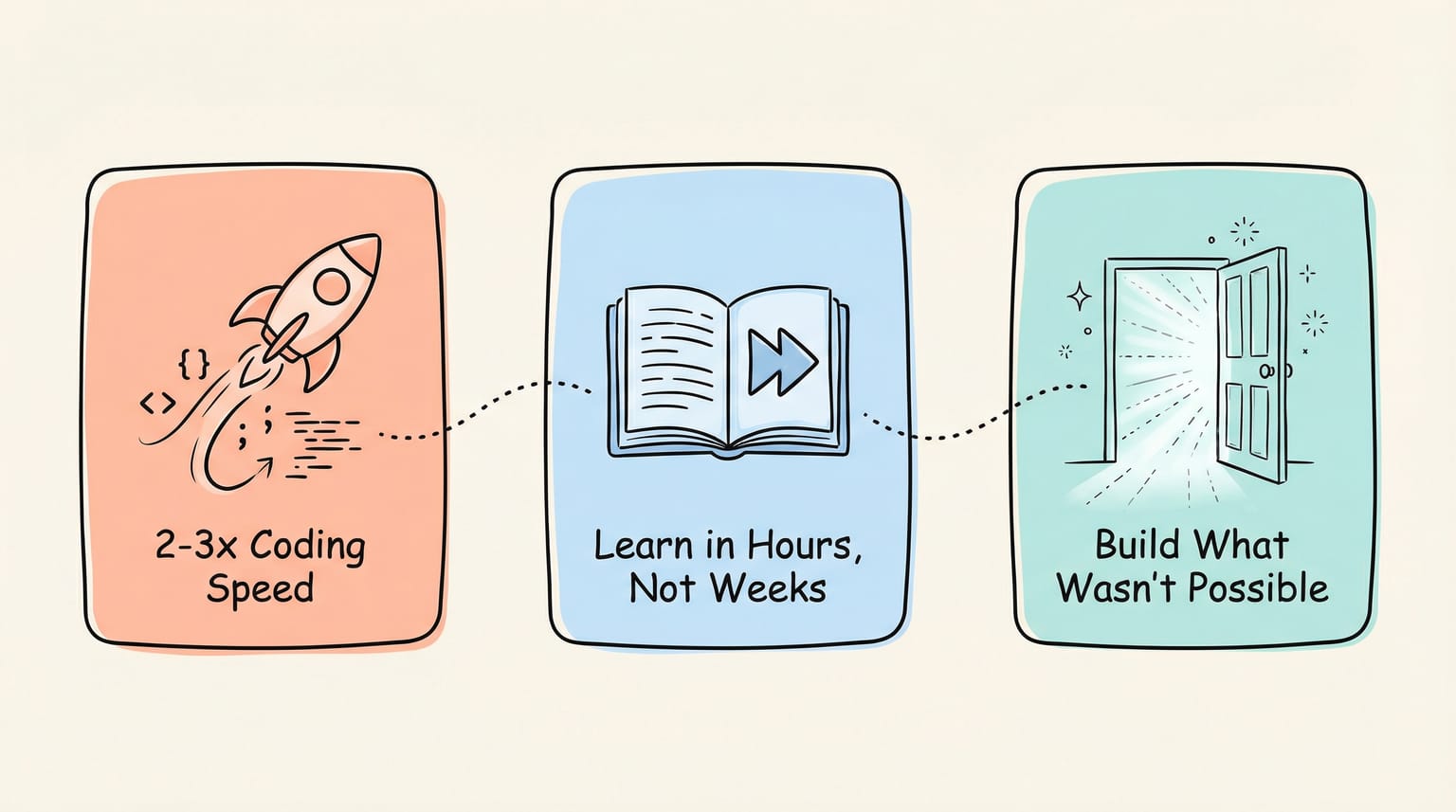
Coding at 2-3x speed. I'm not exaggerating. When I pair with AI, I move through implementation faster because I spend less time on boilerplate, less time looking up APIs, and less time on the boring parts. I get to focus on the interesting decisions — the architecture, the user experience, the tradeoffs.
Learning new things in hours, not weeks. As a product leader, I need to understand a wide range of technologies and domains. AI has become my go-to learning partner. I can dive into an unfamiliar codebase, a new framework, or a complex technical concept and get up to speed dramatically faster. It's like having a patient, knowledgeable colleague available 24/7.
Building things I wouldn't have attempted before. This is the part that excites me most. There are projects I would have dismissed as "too much work for one person." Now I look at those same projects and think — why not? The barrier to building has dropped so significantly that the limiting factor is no longer time or technical skill. It's imagination.
Why I'm Writing About This
I'm not writing this to convince anyone that AI is the future — if you're reading this, you probably already sense that. I'm writing this because I want to document what it actually looks like to go AI Native as someone who builds products and writes code every day.
There's a lot of hype out there. There's also a lot of skepticism. What's missing is the honest, practical, in-the-trenches perspective. What works? What doesn't? Where does AI genuinely save you time, and where does it slow you down?
That's what I want to explore in this series.
What's Next
This is the first post in what I'm calling my AI Native Journey. Going forward, I plan to share:
- Real projects I'm building with AI — the good, the bad, and the ugly
- Workflows and tools that actually work — not theory, but what I use every day
- Lessons learned — including the mistakes, because that's where the real learning happens
I strongly believe we're at the beginning of something massive. AI doesn't just make us faster — it expands what's possible for individuals and small teams. The people who embrace this shift early and learn to work with AI will have an enormous advantage.
I'm going all in. Come along for the ride.