
What a Marriott Timeshare Pitch in Las Vegas Taught Me About Broken Sales Culture
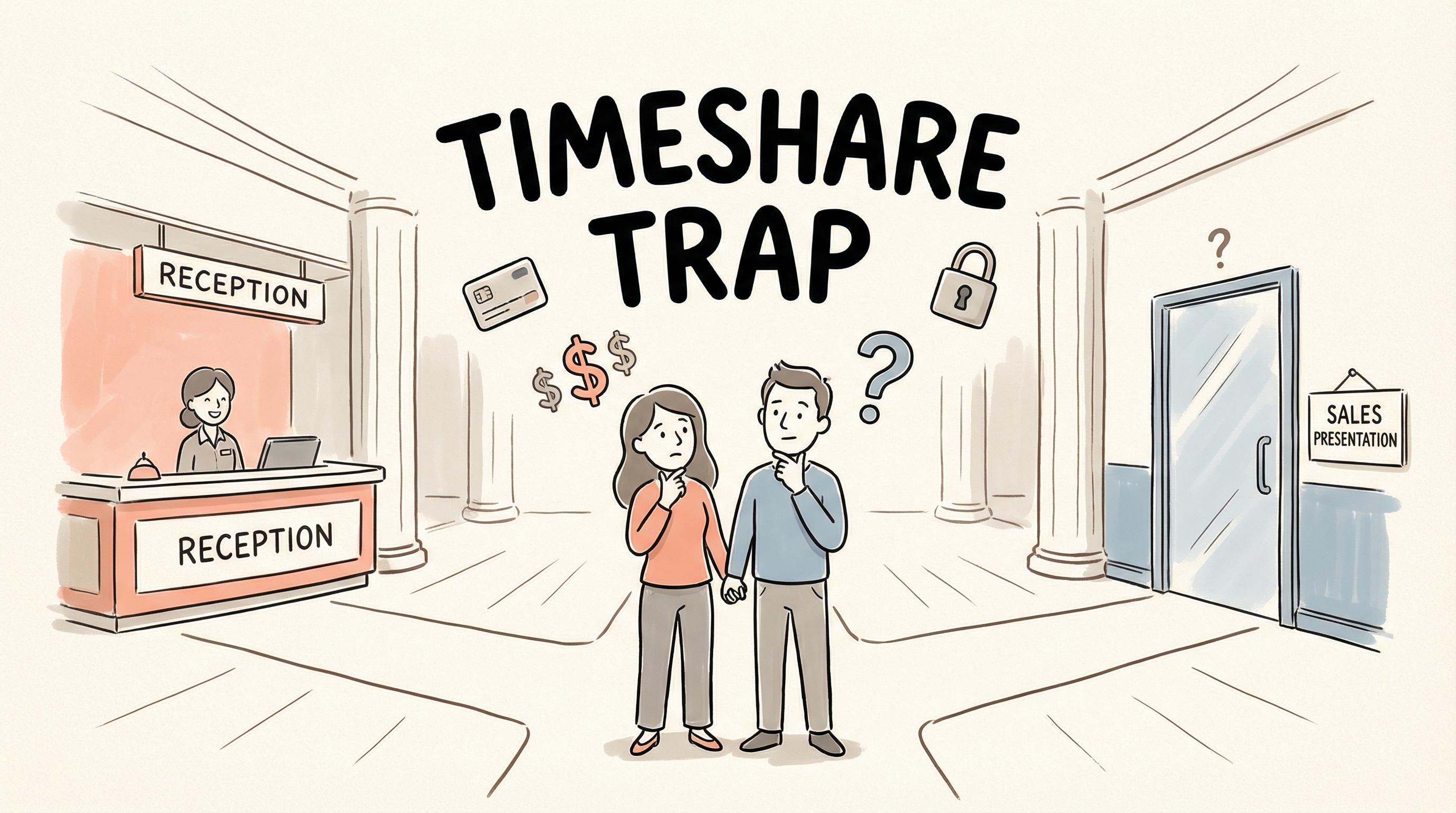
My wife and I recently traveled to Las Vegas and joined a Marriott Vacation Club presentation. We knew it was a timeshare pitch — they're upfront about that. What we didn't expect was how the experience would sour our entire stay and leave me thinking deeply about what happens when a company's sales culture contradicts its service brand.
The Offer: Points, Fees, and Fine Print
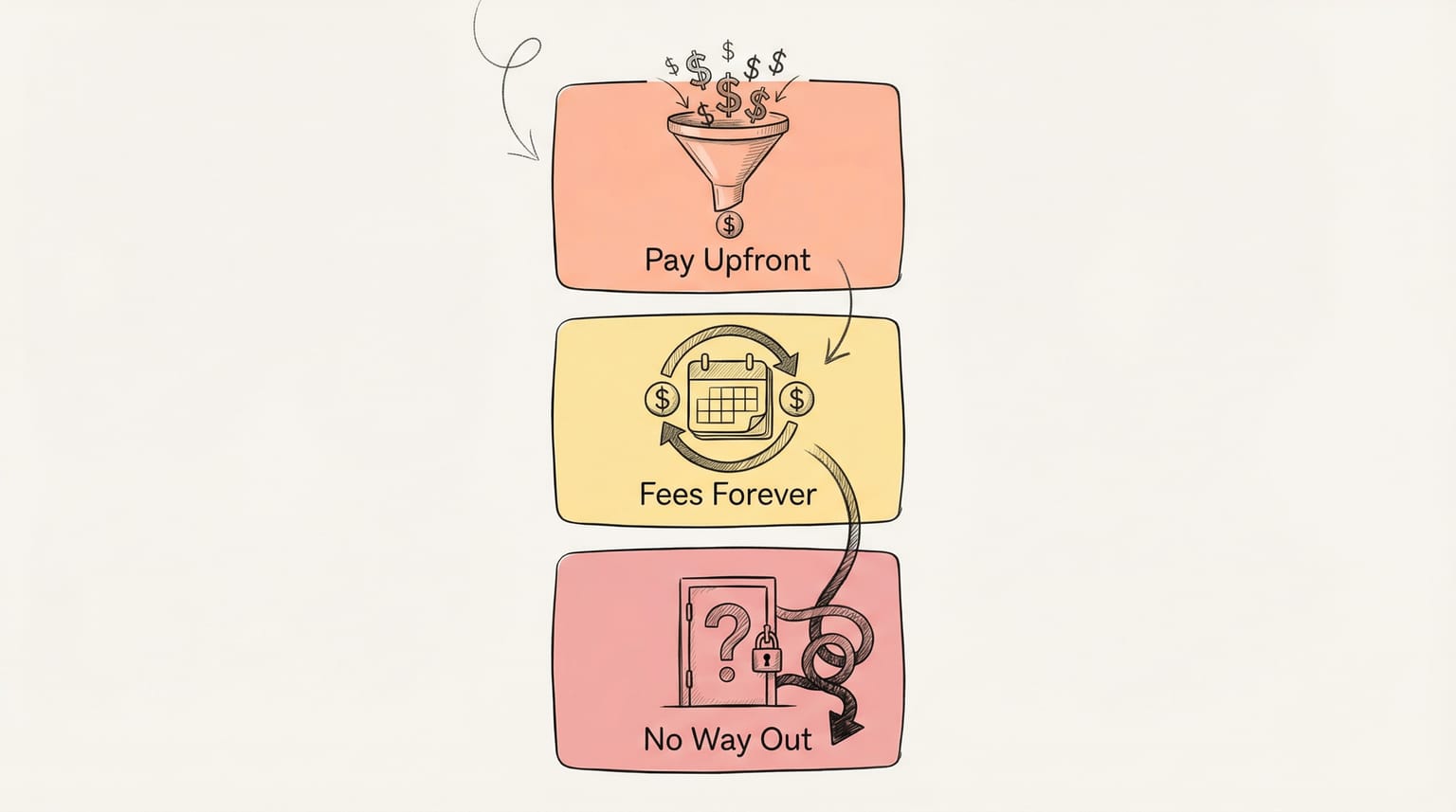
Here's how Marriott's timeshare system works. You pay a significant upfront cost to purchase "points." These points can be redeemed for stays at Marriott properties around the world. Sounds reasonable so far.
But here's where it gets complicated:
- Annual maintenance fees. Even after you've paid the upfront cost, you're on the hook for yearly maintenance fees — and these tend to increase over time. You're paying for the privilege of using what you already bought.
- No clear exit mechanism. This was the biggest red flag for me. Once you're in, getting out is murky at best. There's no straightforward process to sell back your points or walk away cleanly.
- Limited transferability. Want to sell your points to someone else? It's not easy. The resale market for timeshares is notoriously unfavorable to sellers.
The signing package they presented was attractive on the surface — bonus points, discounted rates, exclusive perks. But when I started asking about what happens if we want to leave, the answers got vague. That's never a good sign.
The Moment Everything Changed
I can handle a hard sell. I've been in business long enough to understand that sales teams have targets to hit. What I can't handle is disrespect.
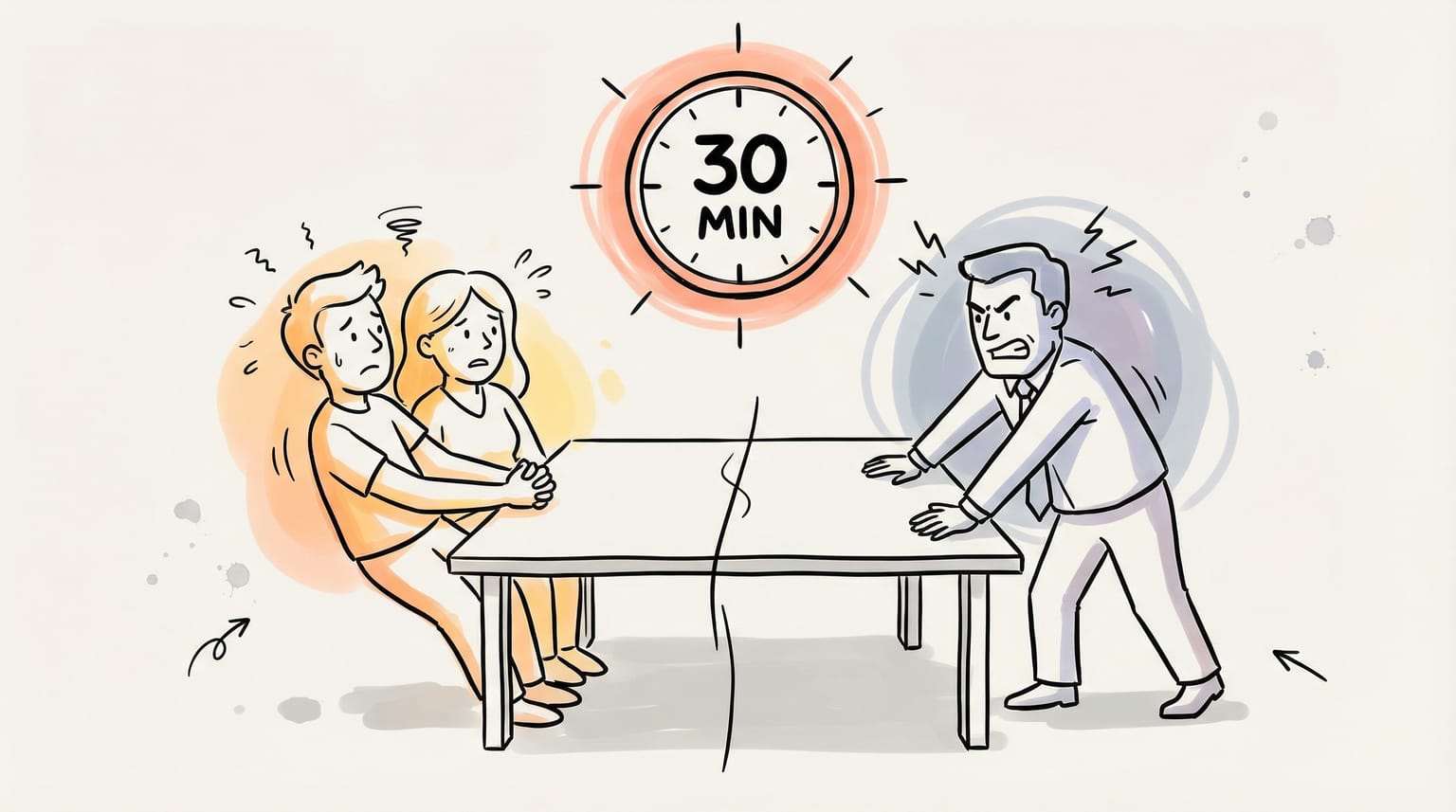
When we told our sales representative that we needed time to think about the purchase, the reaction was immediate and uncomfortable. He told us 30 minutes should be "more than enough" to discuss it between ourselves and pushed us to decide on the spot.
When we held firm — we wanted to take the materials home and think it through — his demeanor changed completely. The warmth disappeared. The smile dropped. He made it clear, without saying it directly, that we were wasting his time.
This is a Marriott property. A brand built on hospitality and service. The contrast between what Marriott represents and what we experienced in that room was jarring.
The Business Model: Profitable, But at What Cost?
Let's set emotions aside and look at how this business actually works.
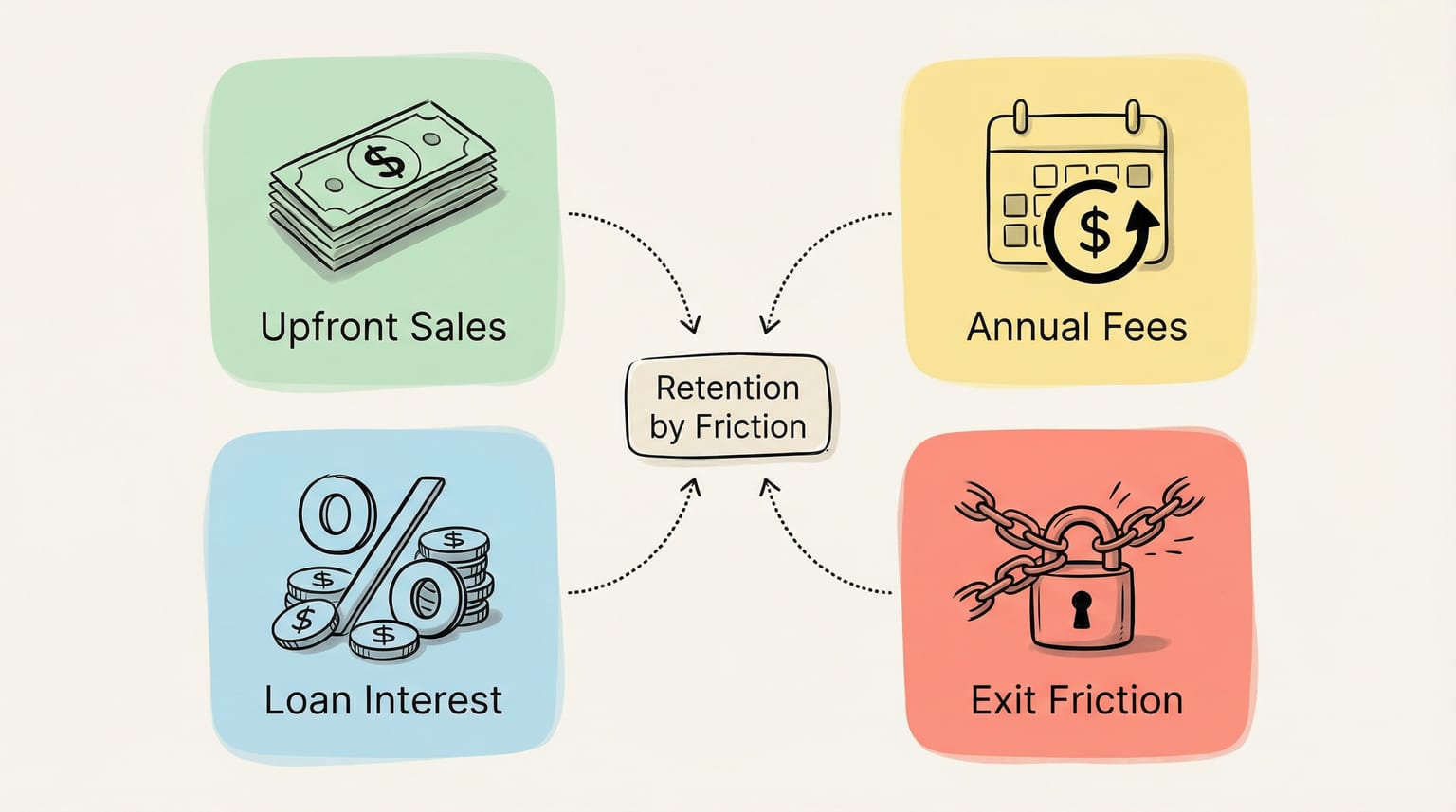
The revenue engine is simple and effective:
- Upfront sales generate large one-time payments. A single timeshare purchase can run anywhere from $20,000 to $100,000+.
- Recurring maintenance fees create a steady annual revenue stream that grows over time, regardless of whether the owner uses their points.
- Financing adds interest income. Many buyers finance their purchase, meaning Marriott earns on the loan as well.
- Low exit friction keeps owners locked in. Without a clean exit path, most owners continue paying maintenance fees year after year — even when they've stopped using the product.
It's a business model optimized for acquisition and retention through friction, not through value. And that's the fundamental problem.
Where the Sales Model Breaks Down
High-pressure sales tactics aren't new in the timeshare industry. But they create a specific set of problems:
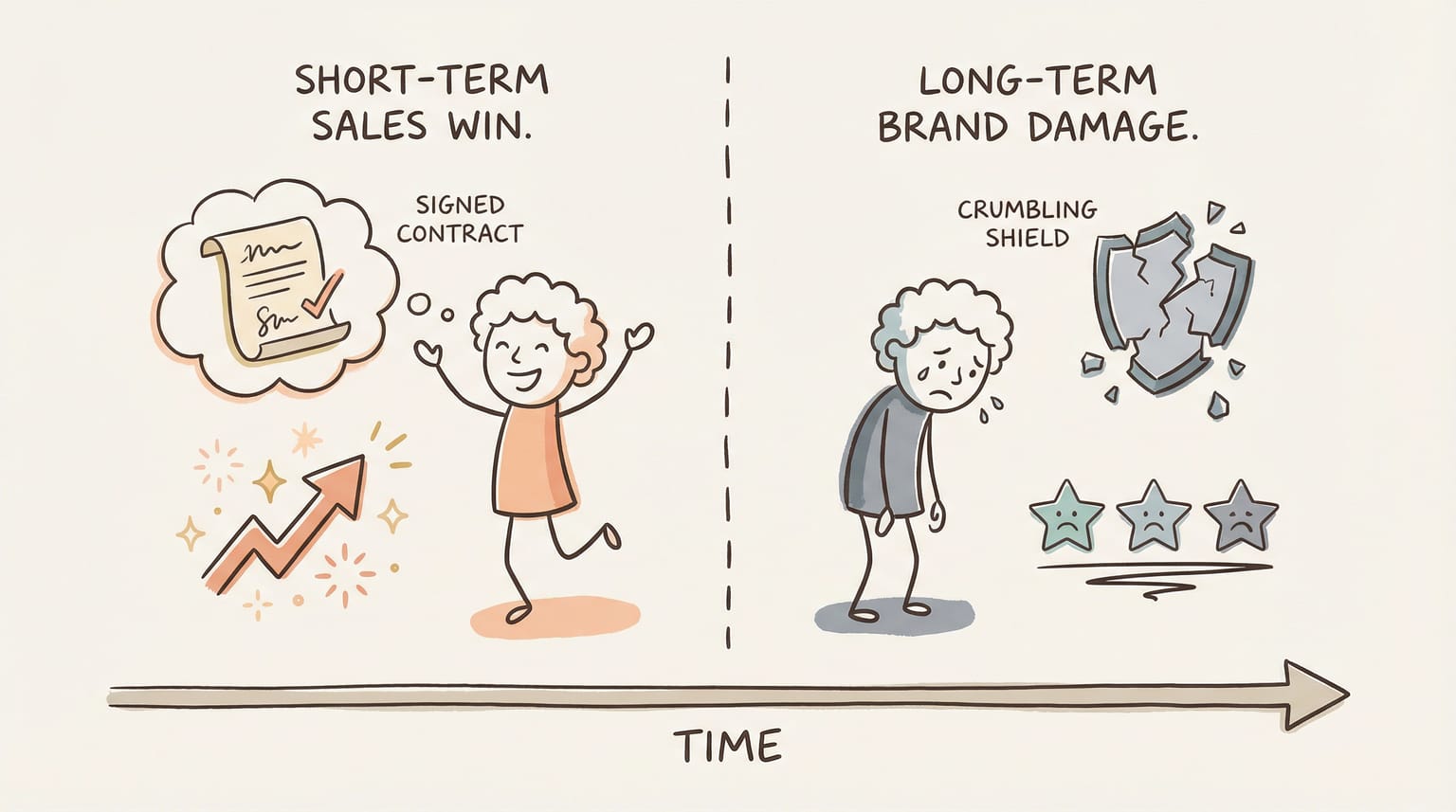
Short-term wins, long-term damage. A salesperson who pressures a couple into a same-day decision might close the deal. But that couple will associate the brand with that negative experience forever. In the age of online reviews and social media, one bad experience travels far.
Misaligned incentives. When salespeople are compensated primarily on closing rate and deal size, the customer's best interest becomes secondary. The 30-minute pressure tactic isn't about giving customers time to think — it's about preventing them from thinking clearly.
Brand erosion. Marriott has spent decades building trust through consistent service quality. Every high-pressure timeshare pitch chips away at that trust. The vacation club division may generate strong revenue, but at what cost to the broader brand?
A Broader Reflection: When Sales Contradicts Service
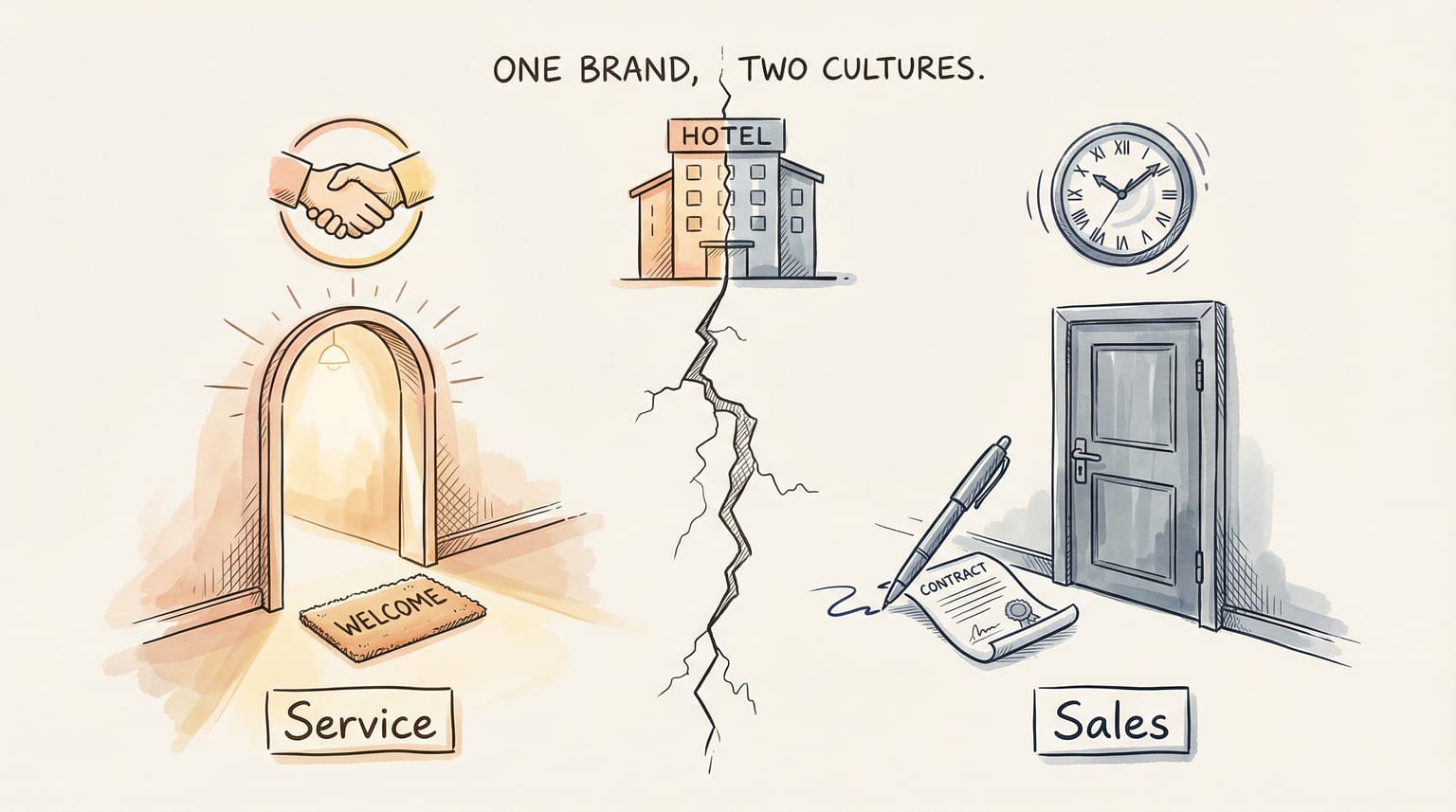
This experience got me thinking about a tension that exists in many service-oriented businesses: the gap between the service brand and the sales culture.
Marriott's hotel operations are built on a simple premise — make guests feel welcome, comfortable, and valued. It works. I've stayed at Marriott properties many times and generally had great experiences.
But walk into their vacation club sales room, and you're in a different world. The priorities flip. It's no longer about making you feel valued — it's about closing you before you leave the building.
This isn't unique to Marriott. You see it in banking, insurance, telecommunications, and countless other industries. The service team builds trust; the sales team burns it.
The companies that get this right — the ones that truly earn long-term loyalty — are the ones where sales and service are aligned. Where the sales process itself feels like an extension of the service experience, not a contradiction of it.
What I Took Away
I left Las Vegas without buying a timeshare. I also left with a diminished view of a brand I used to respect.
A few things I'll remember from this experience:
- Any product that makes it easy to buy and hard to leave should be approached with extreme caution. If the exit terms aren't clear, the company is betting you'll stay out of friction, not satisfaction.
- Pressure to decide quickly is almost never in the buyer's interest. A good product should withstand a week of consideration. If it can't, ask yourself why.
- A company's true values show up in its worst moments, not its best. When a customer says "I need to think about it," the response reveals everything about the culture.
For anyone in the service industry: your sales experience is your service experience. Customers don't separate the two. Every touchpoint either builds trust or breaks it. There's no neutral.
Have you had a similar experience with timeshare presentations? I'd love to hear your perspective. Connect with me and share your story.