
In the Age of AI, Look Up at the Stars

I keep seeing the same pattern at work: same model, same task, very different outcomes. One person keeps rewriting prompts and still gets generic output; another takes one or two rounds and gets to something usable.
This looks like a prompting gap on the surface, but I think it is really a cognitive asset gap. AI lowers the cost of execution, which makes judgment more valuable. The stronger the tool becomes, the more it reveals the business context, customer sense, product judgment, and strategic altitude behind the person using it.
A prompt is an interface to business judgment
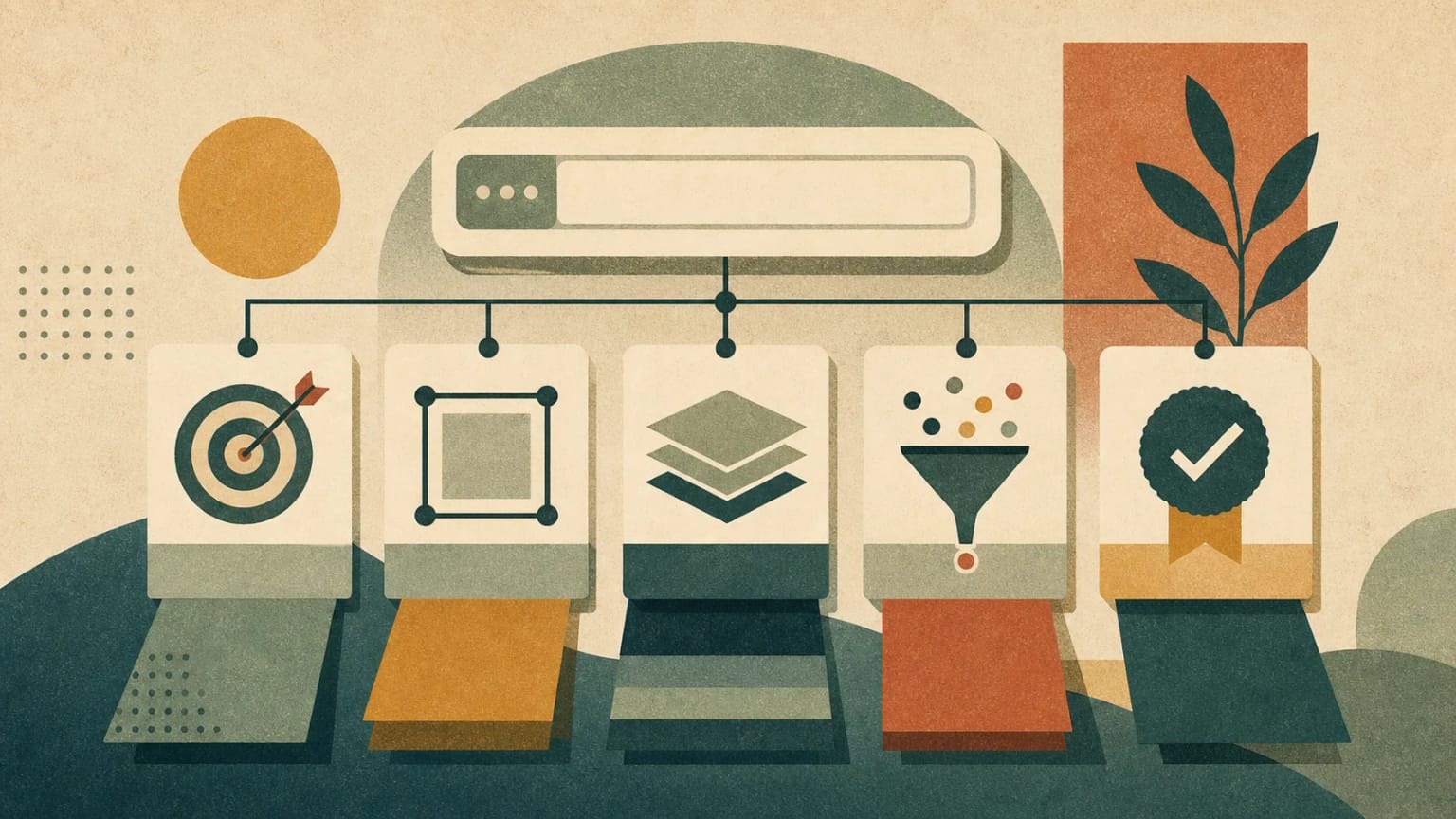
A good prompt is not a magic spell. It is a person's ability to break down a problem: the goal, the constraints, the context that matters, the details that will create noise, and the standard for what a usable answer looks like.
That does not come from a template. It comes from industry experience, customer understanding, product sense, taste, and decision-making reps. The best AI users are not simply writing longer prompts; they have clearer models in their heads. The prompt is where that business judgment becomes an interface.
Sales works the same way
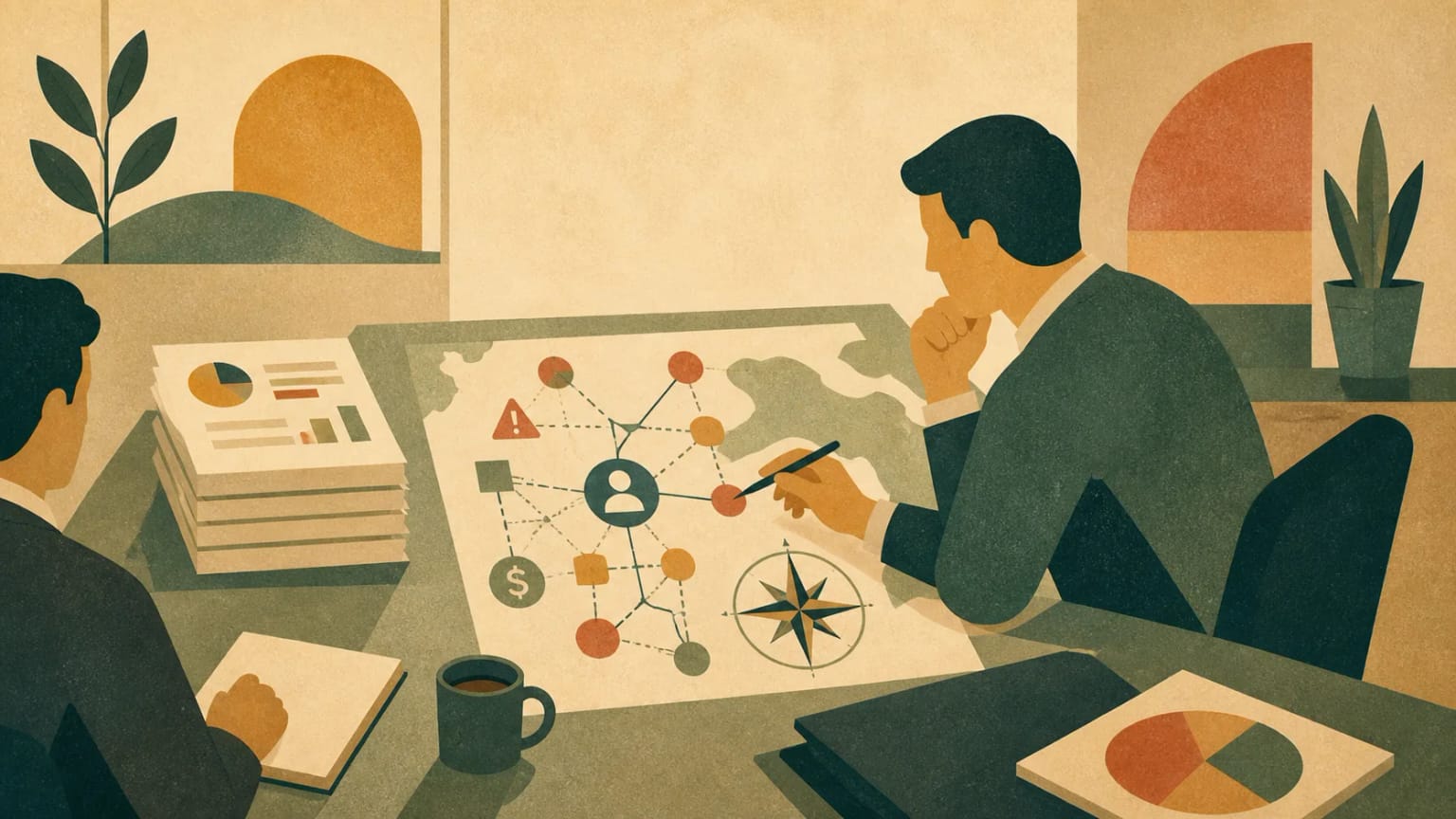
You can see the same pattern in sales. Some people meet a customer once and the opportunity moves; others prepare more material, run more meetings, and still cannot move the deal. The difference is not effort. It is the ability to read the decision chain, incentives, risks, and real blocker.
On the surface, the difference is one meeting. In reality, it is business judgment. AI has moved that same gap into the prompt box: for one person, the question is just a question; for another, it already carries direction, tradeoffs, and standards.
AI will reprice human capabilities
For a long time, execution skills carried a lot of value by themselves. Writing copy, drafting plans, coding, analysis, research, documentation: these all took time and specialized training. With AI, execution gets cheaper, and whatever gets cheaper stops being the core moat.
The valuable layer moves up: problem definition, standards, business context, tradeoff judgment, taste, and understanding people. AI is not only an equalizer. It is leverage, and leverage does not make every operator equally strong. It magnifies the operator.
Someone with judgment will test faster, iterate faster, and learn faster. Someone without judgment may also produce more, but often more things that only look finished. That is one of the central shifts of the AI era: output becomes abundant, and judgment becomes scarce.

Looking up at the stars is strategy
So when I say, in the age of AI, look up at the stars, I do not mean it romantically. I mean horizon and altitude. The faster execution becomes, the more valuable direction becomes. The cheaper content generation becomes, the more valuable point of view becomes. The easier information becomes to access, the more valuable judgment becomes.
For an entrepreneur, the real question is not only: how do I use AI better? That matters, but the deeper questions are: do I have the altitude to judge what is worth doing? Do I understand the market deeply enough to see where the opportunity is? Do I understand customers well enough to separate real demand from noise?
AI can amplify execution, but it cannot replace direction. Direction still comes from people, from accumulated cognitive assets, and from the ongoing judgment of markets, customers, and opportunities.
My conclusion
My investment in AI now has two layers. The first layer is tools and workflows; I want more speed. The second layer is cognitive assets: market understanding, business insight, customer sense, product judgment, taste, and historical context.
The first layer determines how fast I can run. The second layer determines where I am running, and how much AI can actually amplify me. The biggest risk in the AI era is not being bad at tools; it is mistaking the fluency created by tools for your own capability.
Same model. Same blank box. The difference is not who asks more cleverly. The difference is who has a larger world behind the question.