
Why I Share DHH's Enthusiasm for AI
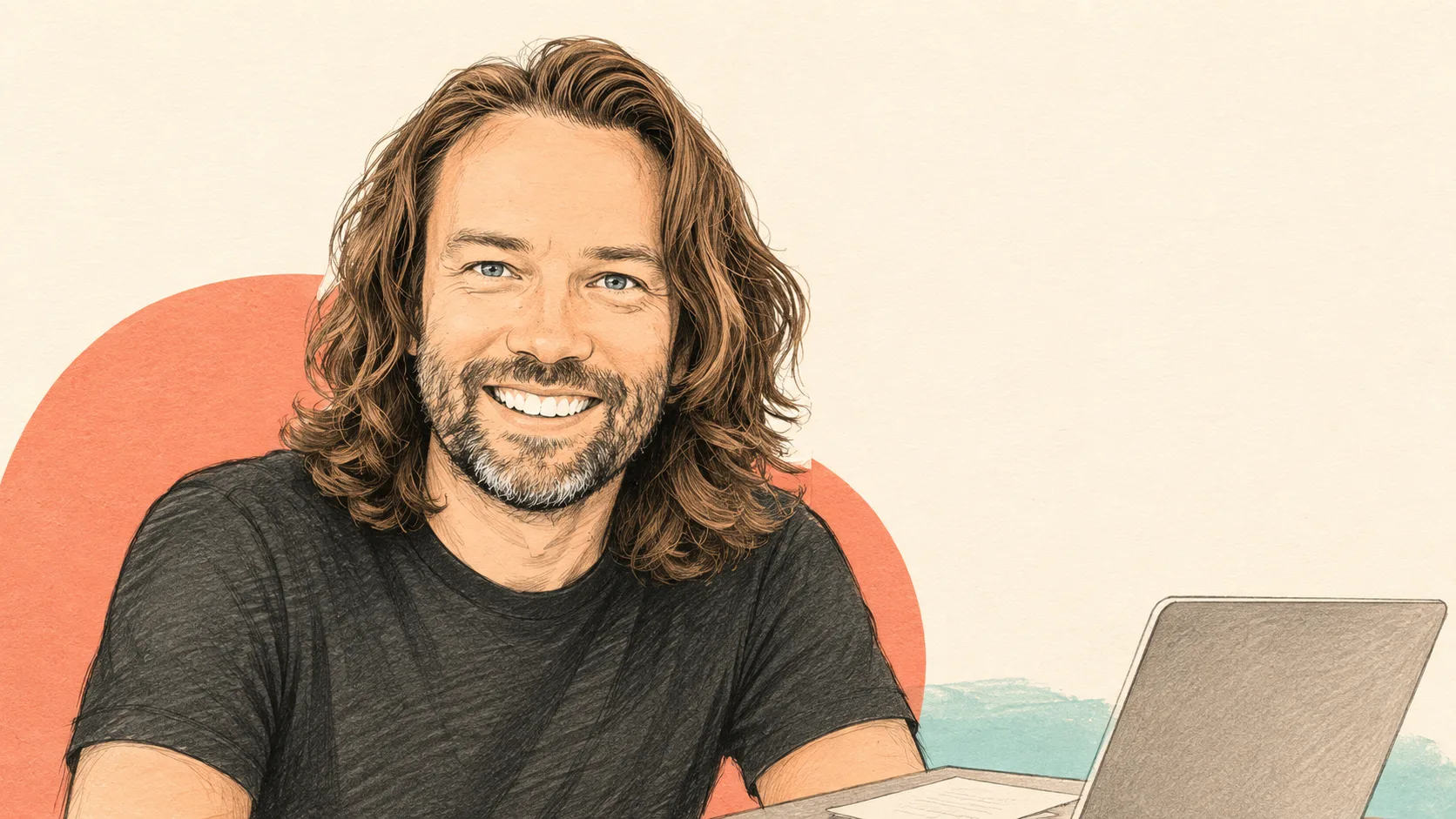
What stayed with me after DHH's conversation with Lex Fridman was his excitement about AI. Someone who has spent years writing code, with strong preferences about his tools, is finding real pleasure in a different way of making software.
It made me think about my own company. Within our team, some people don't yet have enough trust in AI, while others use it enthusiastically. I am closer to the second group. I want AI to take on more work and help turn ideas into useful products. But those differences also leave me with a question: how does personal confidence become a way of working that others can benefit from?
I share DHH's enthusiasm because I care about what we can make and whether it improves people's work and lives. When a tool gains new capabilities, I want to use it seriously and adjust my judgment to the results. The interview spoke to both the pleasure of creating and the willingness to reconsider how we do it.
Keep the standards, update the judgment
DHH explains that changes in his AI practice did not mean abandoning his standards. Earlier autocomplete tools had not transformed his work. Agents that could carry out tasks, use tools, check results, and produce code close to his expectations gave him a different experience. Interview transcript: programming with AI agents
That way of judging a tool makes sense to me. One experience tells me how a particular tool performed on a particular task. It cannot settle the question for every future tool and task. If the capability has changed, I want to try again. Equally, a good result is worth examining for the conditions that made it possible. An open mind and demanding standards can coexist.
What I take from his experience is a practical kind of openness: put the tool into work I understand and see what it can do. An earlier judgment that it wasn't good enough may have been entirely reasonable. Continuing to judge new results by that old impression can mean missing a change that has already happened.
Bring differences in trust back to the work
I see this challenge in my own team. Some people remain uneasy about AI output; others bring it into more of their work. Their judgments may come from different tasks, different methods, or different generations of capability. This is where DHH's experience feels useful as a reference.
I don't want to use his confidence as authority over a colleague's concerns. It cannot serve as an acceptance test for our project. The concerns may be specific: whether output is reliable, whether we can understand a failure, or whether the result will be maintainable. Those questions deserve answers. People getting good results also have work to do. They need to make their methods visible so that someone else can understand how the result was reached, beyond being told that the tool is impressive.
I would like to narrow the discussion to a task everyone understands. Agree on the problem and what completion means, let AI participate, then examine the result together. If it falls short, keep a record of where. If it helps, identify the step it improved. Enthusiastic users could bring back useful methods; colleagues with reservations could help test them. Both could update their views from something they can inspect. That is a way of working I want to develop, not a claim that our team has already resolved these differences.
The attraction is still making something useful
DHH talks about the desire to create and the mechanical work involved in programming. That distinction resonated with me. Interview transcript: creation and programming I understand the pleasure of beautiful code. My own satisfaction sits closer to the moment a product gets used: an idea becomes usable, a confusing operation becomes straightforward, or someone stops dealing with the same annoyance every day. Business requires attention to costs and results. I also want the people involved to experience less frustration and more enjoyment.
Many small improvements remain undone because they carry a substantial implementation burden. A request takes one sentence to describe, but delivering it means understanding code, changing an interface, connecting data, and handling failures. If AI can take on some of that work, an improvement previously left for later may deserve a first version. I like that possibility. Something can earn an attempt because it is useful to a few people, without first having to justify becoming a large business.
My blog workflow is a concrete example. An idea can move through research, an outline, a draft, bilingual adaptation, and review. Each stage has reusable instructions and leaves files I can inspect. The process doesn't guarantee an article worth publishing. It does make a loose thought easier to turn into a draft worth editing. That is a form of value I recognize: it becomes easier to start, and I have something to examine, change, and develop.
I also admire the ambition behind Omarchy, taking preferences about a working environment and making them into a complete Linux project. That determination to make things is another reason the conversation resonated with me.
Trust can grow alongside clear delivery standards
Using AI enthusiastically hasn't made a generated result feel like the finish line. I have written before about the pressure on QA when code and proposals arrive faster than people can understand and verify them. Sending more output into a queue can simply make another group busier. Cautious voices in a team can be valuable here: they draw attention to the whole delivery process.
A personal tool can be tried quickly and set aside. A system that a team or customer depends on needs stronger verification around data, permissions, failures, and recovery. I am willing to delegate more implementation to AI and to use it for checking, too. The evidence required still depends on who the result affects and whether a failure can be detected and repaired. DHH's questions about who software serves, what it does, and what comes first felt familiar. A different implementation process still has to produce something useful for specific people. Interview transcript: product and implementation
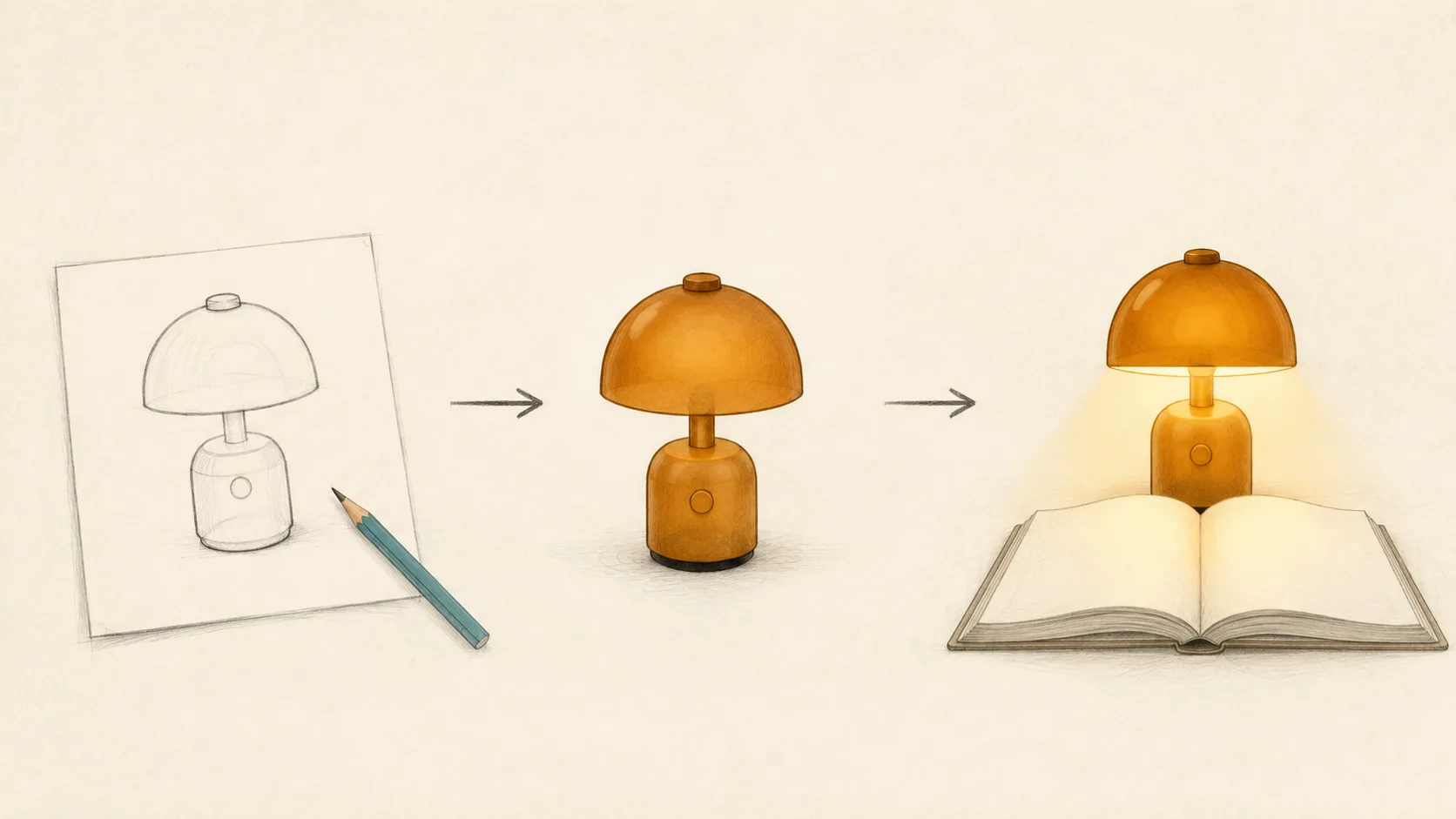
I want our team to build a more specific kind of trust: to know which work we can confidently give AI, where another check is needed, and where new capabilities make further experiments worthwhile. That range can grow with experience. I care more about reaching that shared understanding than about everyone beginning with the same level of excitement.

Turn enthusiasm into something we can create together
DHH's excitement feels familiar because I also want more room to make products. I want to spend time understanding needs, choosing directions, and improving the experience, while using tools to carry more implementation forward. My hands don't have to remain on the keyboard for me to care deeply about what we make.
Easier beginnings can also lead to too many beginnings. Small tools may need maintenance, and automations can fail. I want AI to give us room to finish things well. An ever-growing list of projects with nobody looking after them would be a disappointing result. For a team, completing, understanding, and continuing to use one valuable piece of work is more exciting to me than each person generating a large volume of output.
That enthusiasm for creating is what I share with DHH. I want more people in our team to participate in it and benefit from it. The next time we discuss AI at work, I want to start with one familiar task, agree on what a useful result would look like, and try it together. Then we can decide which part of that method belongs in our everyday work.

This is a personal reflection on the AI views I share with DHH, informed by my work and team experience. It is not a comprehensive recap. Source: Lex Fridman's interview with DHH, episode 501, published August 26, 2026. Relevant passages were checked against the publisher's human-generated transcript.